
Hypomagnesemia ICD 10 – Code E83.42, Diagnosis & Billing Guide
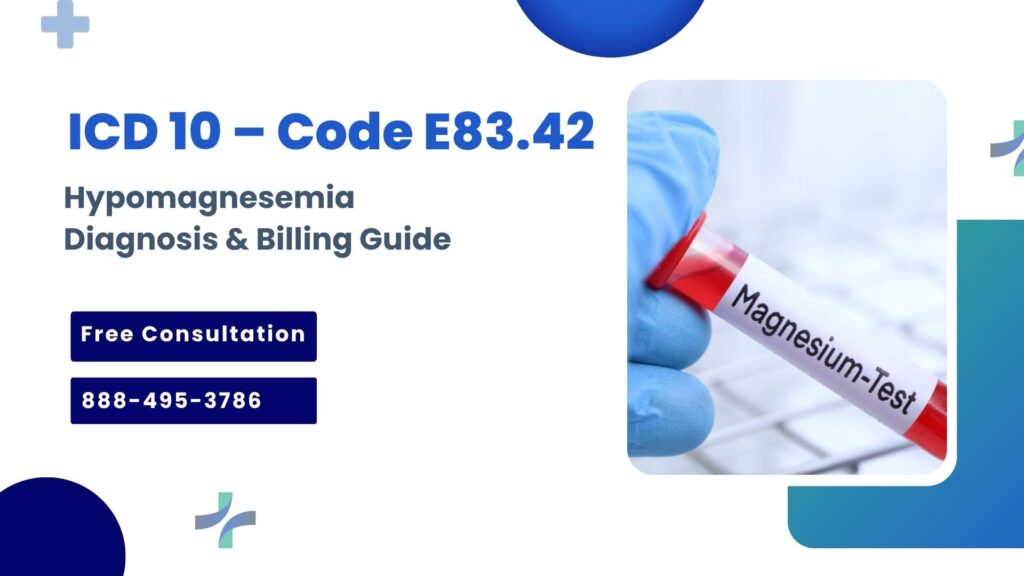
ICD-10 code E83.42 refers to hypomagnesemia, a condition marked by low magnesium levels in the blood. This guide provides diagnosis tips, proper documentation practices, and billing strategies for clean claims.
BPPV ICD 10 – Benign Paroxysmal Positional Vertigo – Unspecified Ear

BPPV, or Benign Paroxysmal Positional Vertigo, is a common inner ear disorder often coded using an unspecified ICD-10 code when the affected ear is unknown. This guide explains diagnosis, correct coding practices, and billing essentials.
ICD-10 Code for Parkinson’s Disease – G20: Diagnosis & Billing Guide 2025
ICD-10 code G20 is used to report Parkinson’s disease, a progressive neurological condition. This guide explains how to accurately diagnose, document, and bill for Parkinson’s care in 2025.
M47.817 vs M47.896: ICD-10 Codes for Lumbar and Lumbosacral Spondylosis
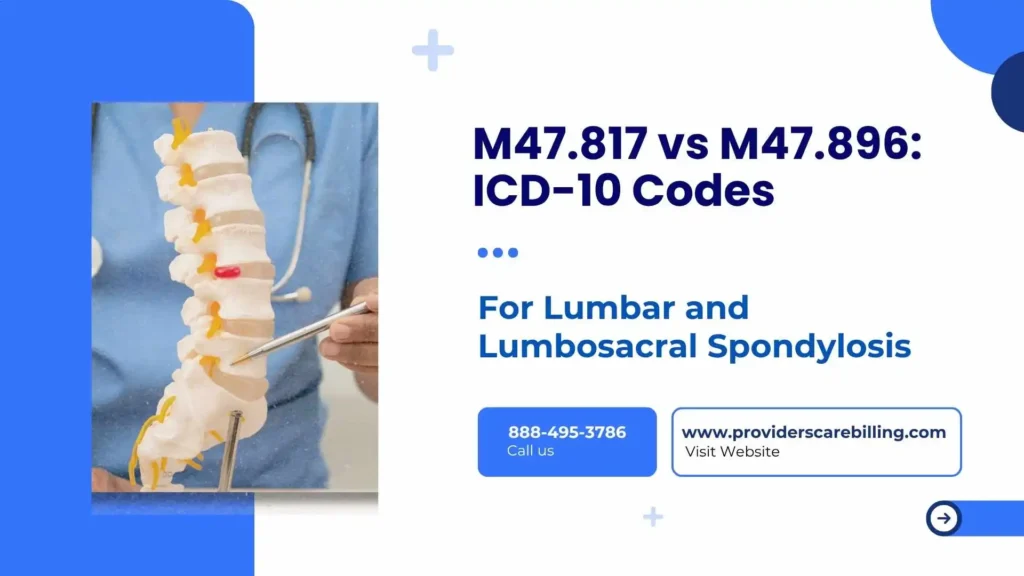
ICD-10 codes M47.817 and M47.896 refer to spondylosis in the lumbar and lumbosacral regions, with and without radiculopathy. This guide explains key differences, clinical relevance, and billing recommendations.
J30.9 – 2025 ICD-10-CM Code for Allergic Rhinitis, Billing Guide

ICD-10 code J30.9 covers unspecified allergic rhinitis, commonly seen in seasonal or environmental allergy cases. This guide explains when to use the code, documentation tips, and billing best practices for 2025.
Bradycardia ICD 10 Code R00.1: Symptoms & Billing Guide
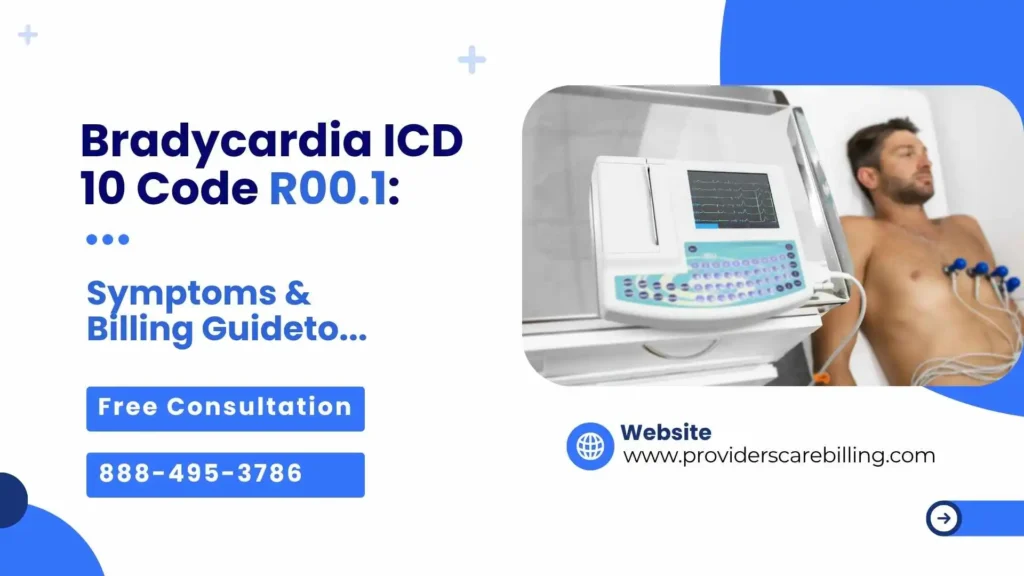
ICD-10 code R00.1 represents bradycardia, or an abnormally slow heart rate. This guide covers common symptoms, proper documentation, and billing strategies to support accurate claim submission.
ICD-10 Code Z87.820 for Personal History of Traumatic Brain Injury
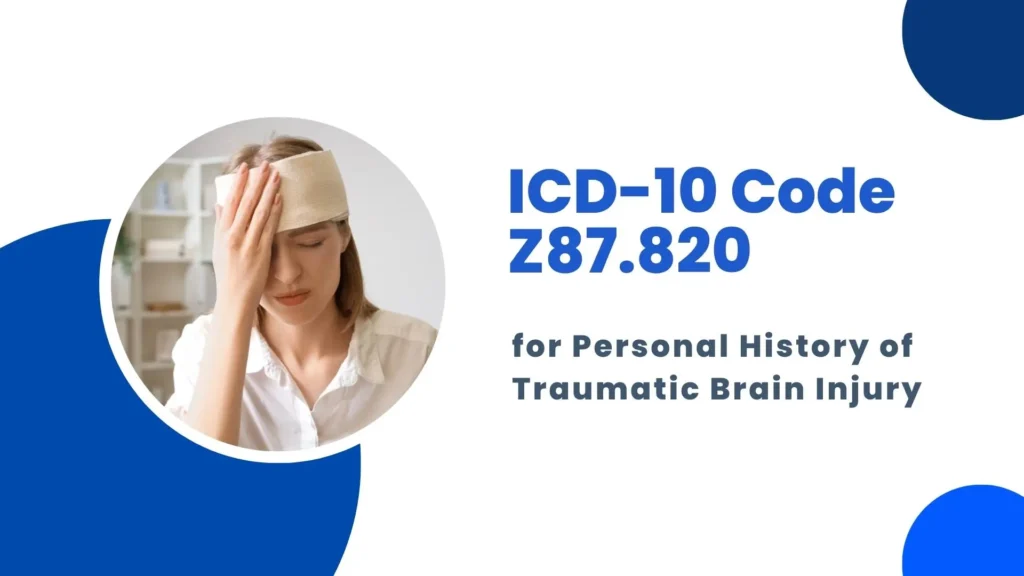
ICD-10 code Z87.820 is assigned for patients with a personal history of traumatic brain injury (TBI). This article explains how and when to use the code accurately in documentation and billing.
ICD-10 Codes R07.89 & R07.9: Accurate Use and Billing for Chest Pain Symptoms
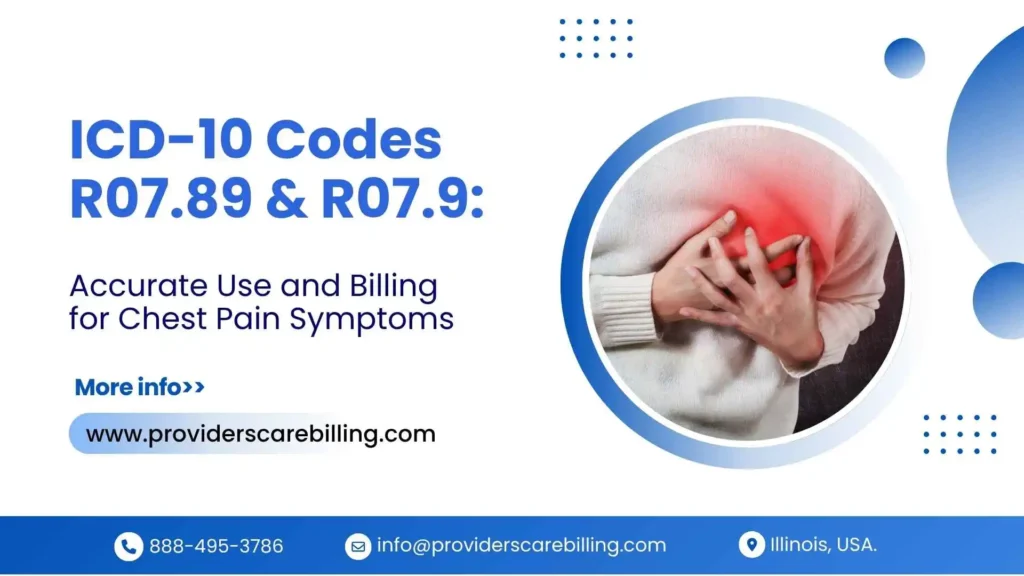
ICD-10 codes R07.89 and R07.9 are used for chest pain symptoms when the cause is unclear. This guide explains how to choose the right code, document properly, and avoid billing errors.
ICD-10 Codes R05, R05.9 & J00: Cough vs. Common Cold

Understanding the differences between ICD-10 codes R05, R05.9, and J00 helps ensure accurate coding for cough and common cold. Learn when and how to use each code correctly.
ICD-10 Code F03.90 Unspecified Dementia Without Behavioral Disturbance
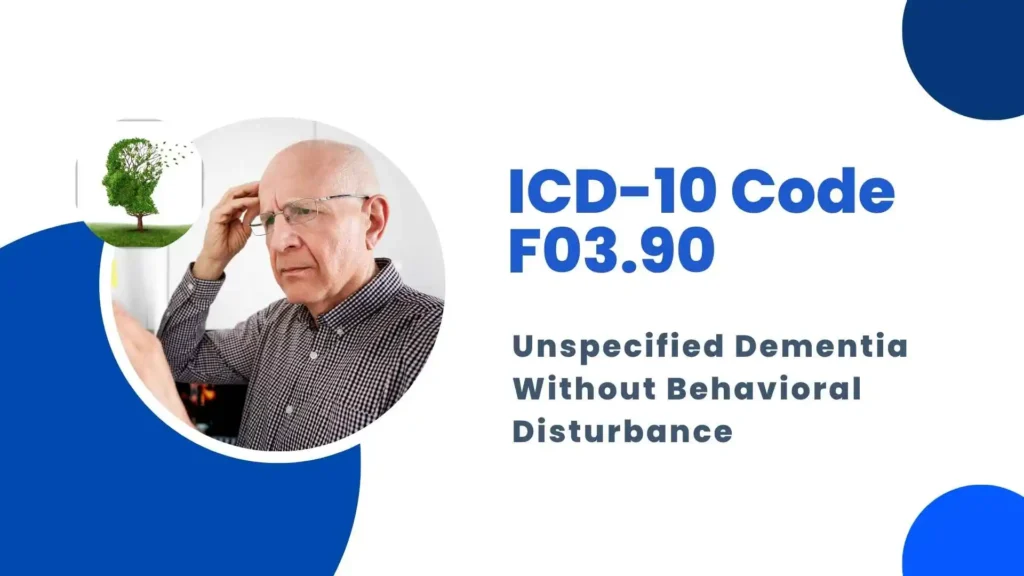
ICD-10 F03.90 refers to unspecified dementia without behavioral symptoms. This article outlines proper documentation, clinical scenarios, and billing tips for accurate coding.