

How to Use HCPCS Code J3490 for Unclassified Drugs – Billing Guide
J3490 is used for billing unclassified drugs when no specific HCPCS code is available. This guide helps ensure accurate documentation and payment.
ICD-10 ADHD Codes F90.0, F90.1, F90.2 – Mental Health Billing Guide
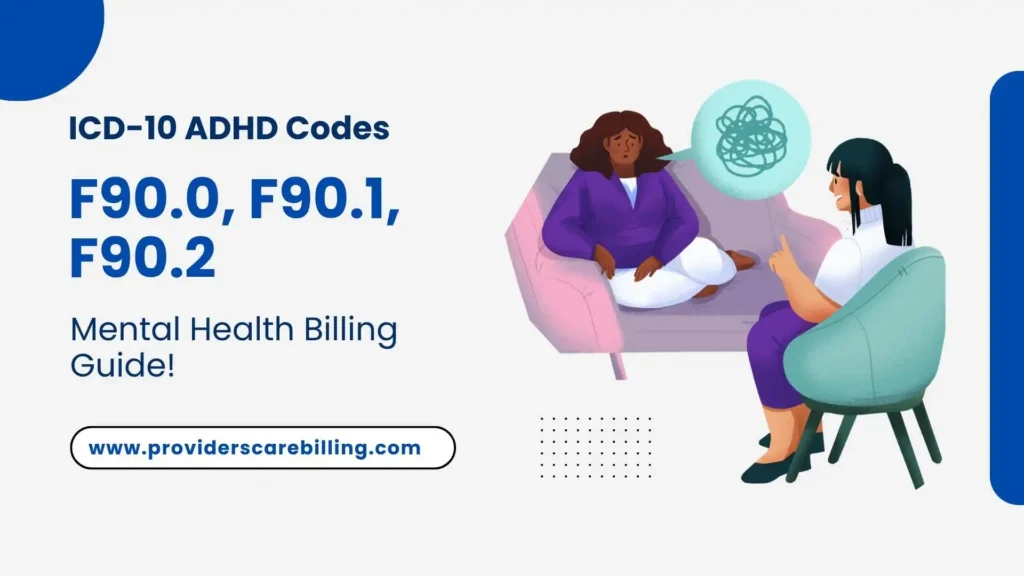
Explore the differences between ADHD ICD-10 codes F90.0, F90.1, and F90.2 in this billing guide designed to help mental health providers ensure clean claims and faster payments.
CPT 99411 & 99412: Preventive Medicine Group Counseling Explained
CPT 99411 and 99412 cover preventive group counseling sessions. Learn how to bill them correctly and when to use each code in community or clinical settings.
CPT 99408 & 99409: Alcohol & Substance Use Brief Intervention Billing
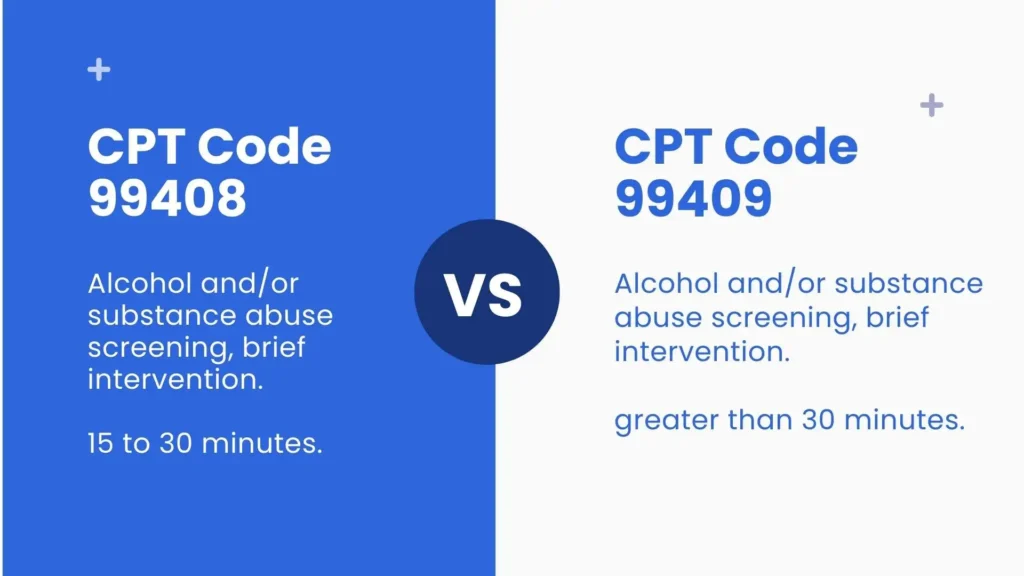
CPT codes 99408 and 99409 cover time-based screening and brief intervention for alcohol or substance abuse. This guide explains when and how to bill them.
ICD-10-CM Code – M43.16 for Lumbar Spondylolisthesis
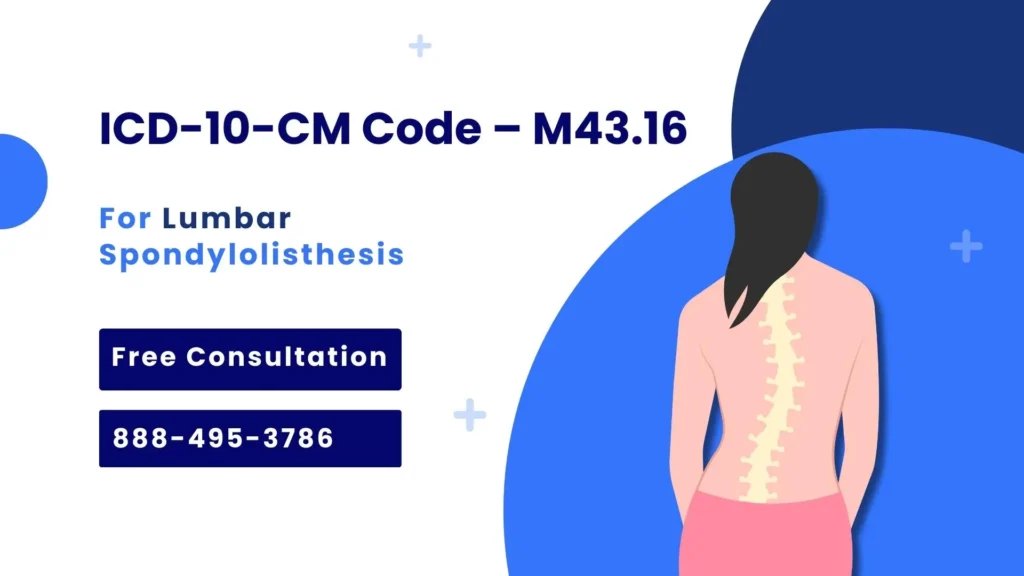
ICD-10-CM Code M43.16 is used to document spondylolisthesis in the lumbar spine, a condition where a vertebra slips forward, often causing lower back pain and nerve compression. This guide covers symptoms, clinical documentation tips, and relevant CPT codes to ensure accurate diagnosis and clean claim billing.
Fibromyalgia ICD-10-CM Code – M79.7 – Full Guide 2025
ICD-10 code M79.7 is used to document and bill for fibromyalgia—a chronic condition marked by widespread pain, fatigue, and cognitive issues. This guide covers diagnosis criteria, common symptoms, and billing best practices, helping providers ensure proper reimbursement and clean claim submission.
CPT codes 96132 & 96133: Neuropsychological Testing Evaluation
CPT codes 96132 and 96133 are essential for billing neuropsychological testing evaluations. This guide explains their correct use, time units, and documentation tips. Plus, discover how to avoid common billing errors when working with complex diagnoses.
ICD-10 Code D61.81: Pancytopenia Diagnosis & Medical Billing tips
Pancytopenia (D61.81) indicates a drop in red, white, and platelet cells. This guide offers coding strategies and billing tips to reduce denials.
ICD-10-CM Codes for Dehydration: E86.0 in Adults & P74.1 in Newborns
ICD-10-CM codes E86.0 and P74.1 identify dehydration in adults and newborns. Use this guide to improve coding precision and reduce claim denials.
Pain in Left Knee ICD-10 Code M25.562: When and How to Use
ICD-10 code M25.562 is used to document pain localized in the left knee. This guide explains proper usage and documentation best practices.